
Prediction Market Trading Tips for Beginners

In the past week, some of my friends told me they’re going to start trading prediction markets. That makes me a little nervous, because while I enjoy these markets, they’re filled with traps for beginners.
The following tips won’t make you an expert trader (I’m not an expert trader) but hopefully they’ll help you avoid the typical beginner mistakes.
Tip #1: Don’t Trade on Prediction Markets
The majority of prediction market traders will lose money. It’s easy to forget this because publications and social media typically showcase the extremely successful traders. But they’re outliers. And those outliers often spend 60+ hours a week on these markets - it’s not necessarily easy money.
If you’re interested in prediction markets for the competition and challenge, there are sites like Manifold Markets where you bet points instead of actual money.
I’m mainly writing this section to absolve my conscience. Don’t say I didn’t warn you!
Tip #2: You’re Going to Make Dumb Mistakes at First
Tip #3: Size Small
Tip #4: Read the Rules
I’ll combine these tips into one section.
Before you invest in a market, you MUST read the rules. Otherwise, you’re just degen gambling and will lose. Unfortunately, when you’re starting out, even if you read the rules you probably won’t really understand the rules. And you’re competing against traders who are experts on these rules. Because prediction markets are roughly negative-sum for traders, you need to try and understand the rules better than the other traders.
Bernard B. wrote a great Mentions Market Dispute Bible, which lists previous edge cases that occurred in the ‘Mentions’ markets (aka did a person say a word). You’d think Mentions rules would be simple, but there are pages of rules oddities that you need to understand in order to maintain an edge. Almost all markets are like this if you dig deep enough.
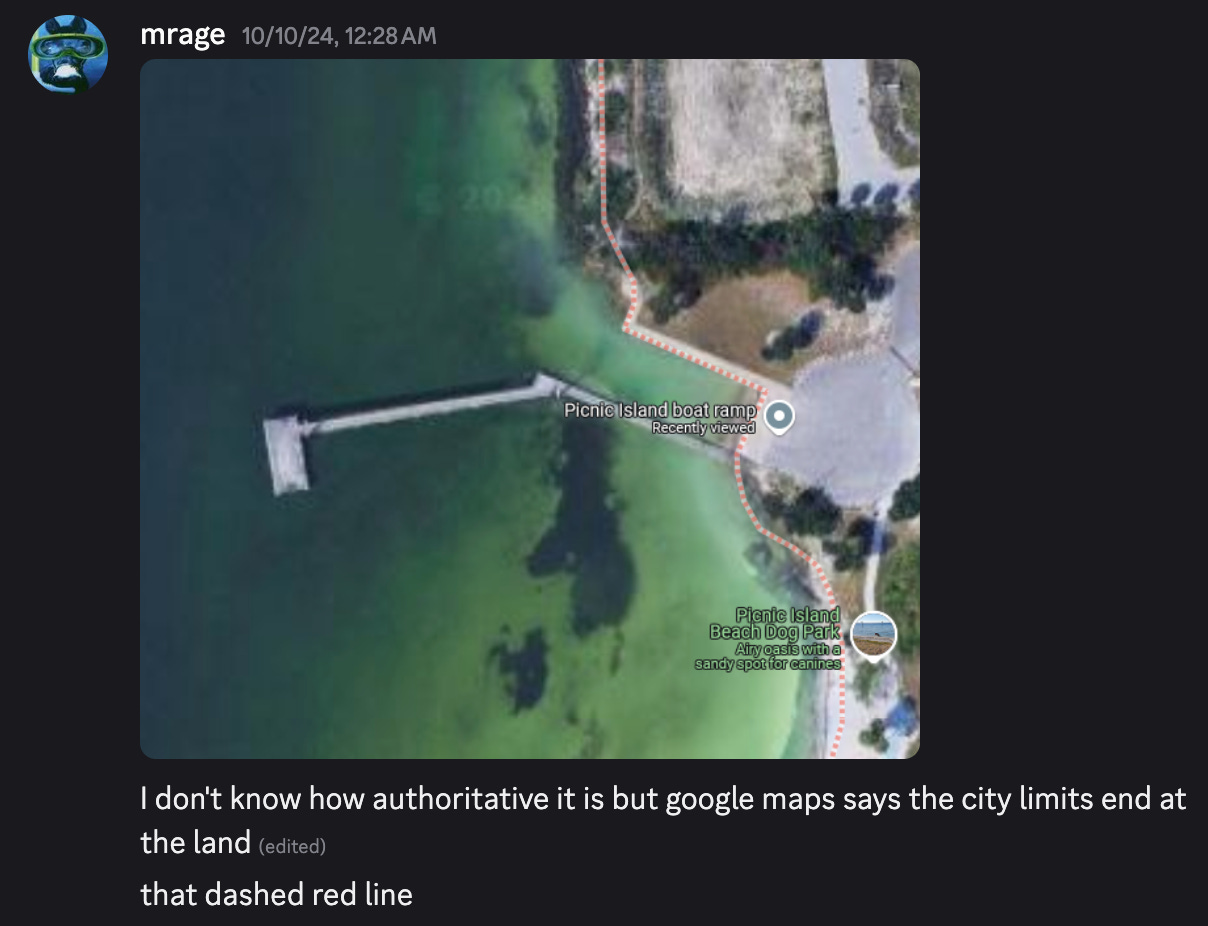
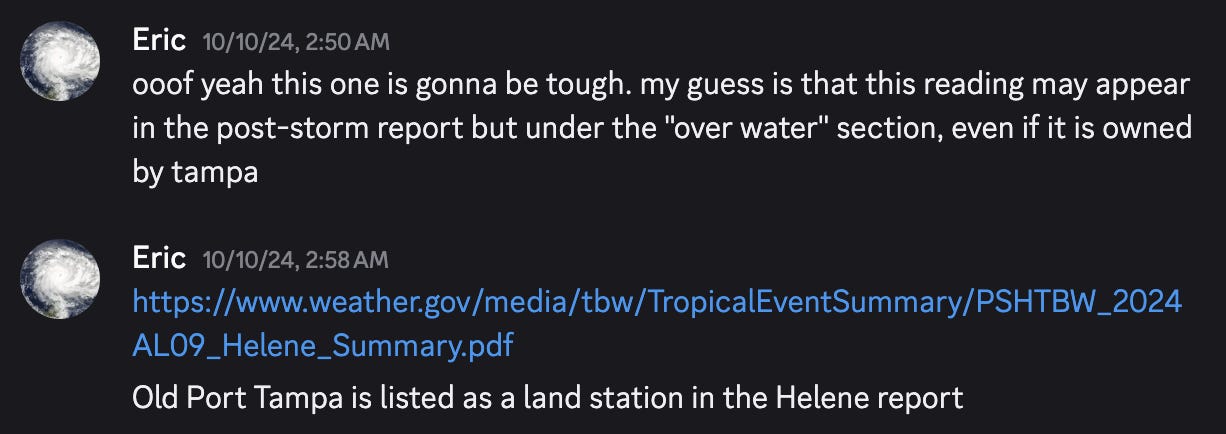
When I started on Kalshi, I traded the hurricane markets (Ex: ‘Will a Category 3 Hurricane hit Tampa?’). For those markets, only the category of the hurricane within city limits counted. Beginners would see the Weather Channel say ‘a Category 3 Hurricane will hit Tampa’ and buy Tampa Category 3 YES shares, but the sharps would buy NO shares because they knew a Category 3 classification would be unlikely if the hurricane hit any land before reaching Tampa city limits.
This led to many fun debates like ‘does a weather station on a pier owned by the city of Tampa count as within the city limits?’.
I guarantee that in the beginning you’re going to have situations where you think ‘Man, I wish I would’ve understood that rule before I placed the trade!’. It’s much better to learn those lessons when trading small amounts of money. You can always size up later.
Tip #5: Fees and Spreads Are the Enemy
The more you pay in fees and bid/ask spread, the less likely you’ll be a profitable trader.
The fees and spreads on exchanges like Kalshi are extremely high - more comparable to a sportsbook or casino than a stock exchange.
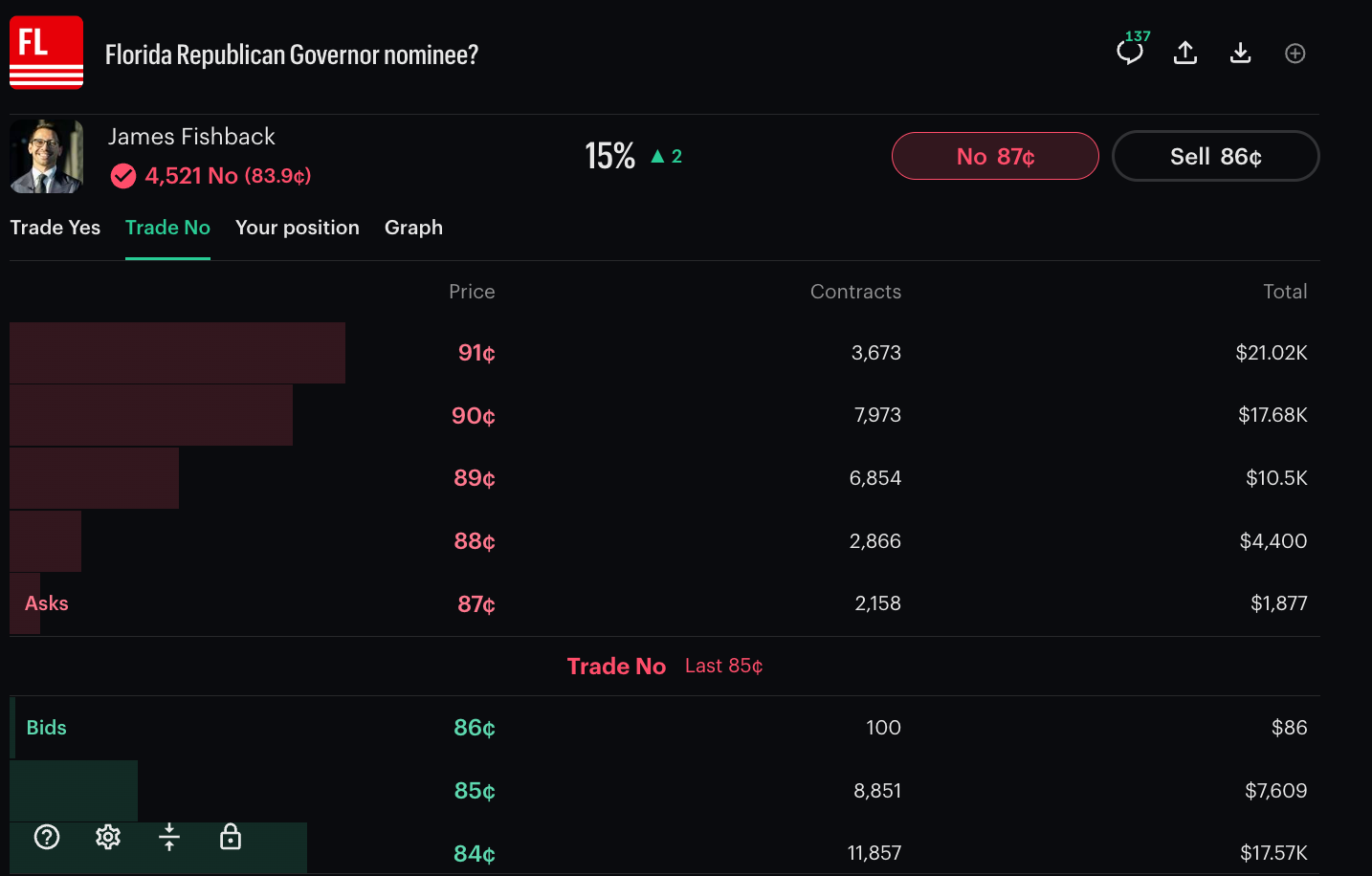
Luckily, you can mitigate this by being a ‘maker’ and providing liquidity. As a maker, you actually benefit from the spread and pay much lower fees.
The main risk of being a maker is getting ‘picked off’ by traders reacting to news (Ex: a positive Fishback poll). To combat that, I try to build my positions during news-free periods. I also set my orders to expire when I’ll be away from my computer.
I’m not saying that being a ‘taker’ is always bad. Sometimes you can pick someone else off! But in most situations you should aim to be a maker.
Tip #6: Take A Break When You Lose (don’t revenge trade)
I often see people lose money and then try to make it all back in a few hours. Unfortunately, they’re not in an emotional state to make good trades and they just lose even more money.
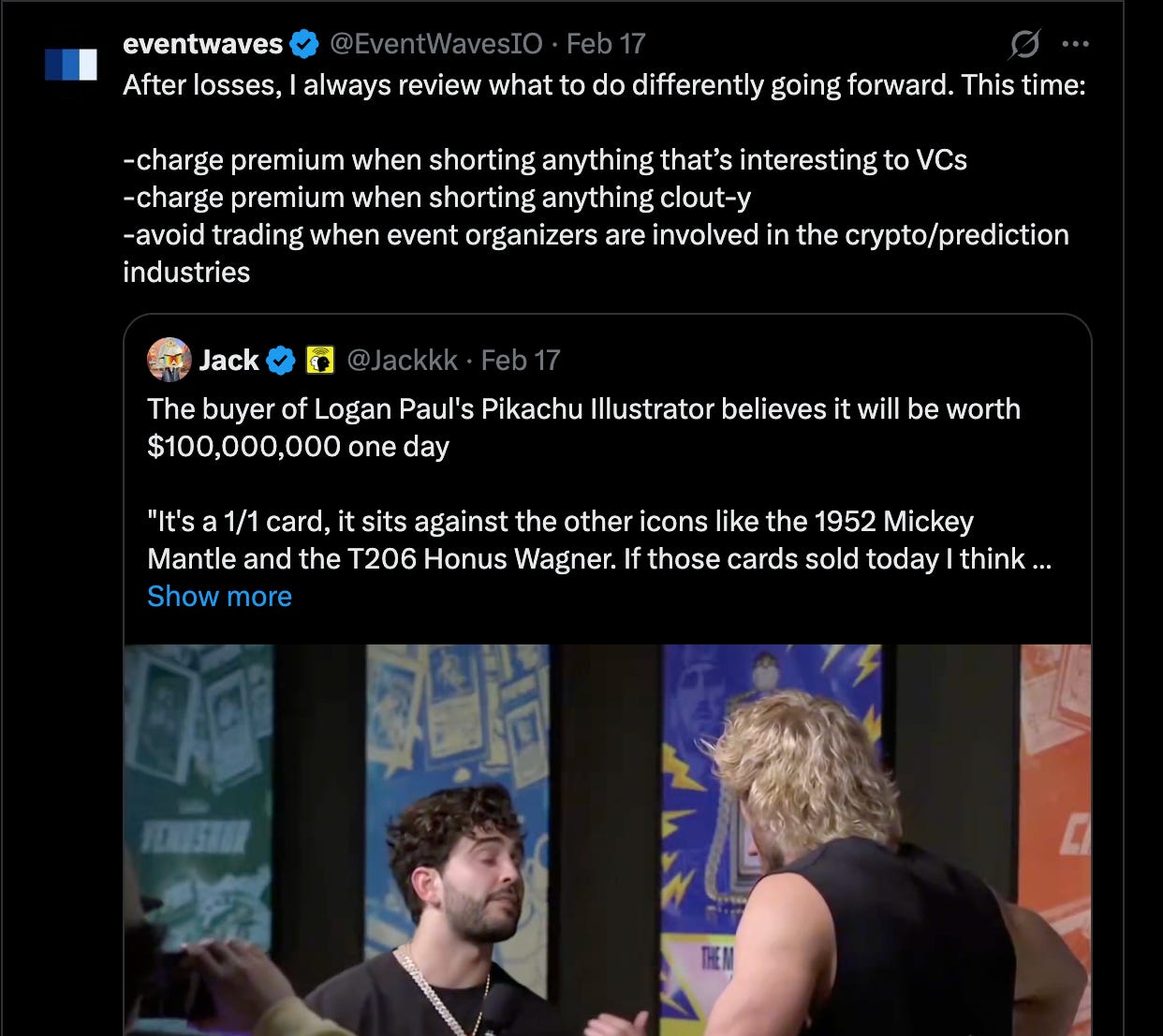
My biggest losing trade YTD was predicting that the Pikachu Illustrator card would sell for less than 15 million dollars.
I felt really, really dumb for losing a significant amount of money to Logan Paul & Co. I also felt embarrassed that I didn’t see it coming. Every interview the buyer did afterwards tilted me even more (yeah, for this investment to work, we just need the total debasement of USD ☠️). Every instinct I had was to go make it back instantly, but I made myself not trade for a bit and review what went wrong.
Don’t be afraid to step away for a bit.
Tip #7: Don’t Double Down
You should typically assume that if the price of your shares are moving in the wrong direction and you don’t understand why — you’re missing some important info. Don’t double down and increase your position.
Once you have more experience, you can better ascertain whether the price is moving against you for a ‘good’ or ‘bad’ reason, but in the beginning just don’t do it.
Tip #8: Don’t Trade Sports or Crypto (find uncompetitive niches)
The sports and crypto categories are extremely competitive - you’re trading against multi-billion dollar companies that have large teams of people, ultra-fast systems, much better data, and sometimes a better fee agreement. For small traders, it just isn’t worth it. Why compete against those counterparties when you don’t have to? Much better to find a smaller niche and dominate that.
I profitably traded the Kalshi financial markets for a bit, but had to stop when the institutions came in.
I also traded the 15min crypto markets early on, but am now mostly uncompetitive.
Don’t be afraid to leave for easier markets.
Tip #9: Ignore the Comment Section
Here’s my breakdown of the comment section:
40% COPEs - Join my bad trade, bro
40% Confused - Just don’t know what they’re talking about
10% Drunk People - At least they’re having fun
9% Sociopaths - Lying to manipulate price
1%: Insightful - Our heroes
If you read the comment section, you’ll usually come away more uninformed. Occasionally, you’ll find a gem, but it’s pretty rare.
I still read the comment sections, but treat everything with HEAVY skepticism and assume people are trying to mislead you.
Tip #10: Wait For the Great Opportunities
Some of my worst trades come when I’m pushing too hard to find a new trade. I’ll see something priced at 80% when I think it should be priced at 85%. I’ll buy a bunch - it’s +EV! Sometimes I win, sometimes I lose, but in hindsight I usually consider them bad trades. There are so many good opportunities that it’s usually a bad idea to make trades with such tight margins. It’s ok to wait for the great opportunities.
Conclusion
Unfortunately, the best way to be successful trading prediction markets is to treat them in a boring, professional manner. Read the rules, practice strict risk management, avoid fees, get expertise in a niche, etc. Otherwise, you’ll probably end up among the majority of people that lose money.
If I haven’t scared you off, good luck, and see you in the orderbook 🫡
Post-Script
-If anyone has other beginner tips, feel free to put them in the comment section
-If there are any trade ideas you’d like me to analyze in a post, feel free to message me. I’d like to mainly write about PM trading/investing ideas and strategies going forward. I think other people are handling the PM meta-commentary well enough already.
i’d add use Limit Orders
#11th commandment:
If you dont know why you are winning, take profit